
Turnkey Construction vs Traditional Construction – Which Is Better?
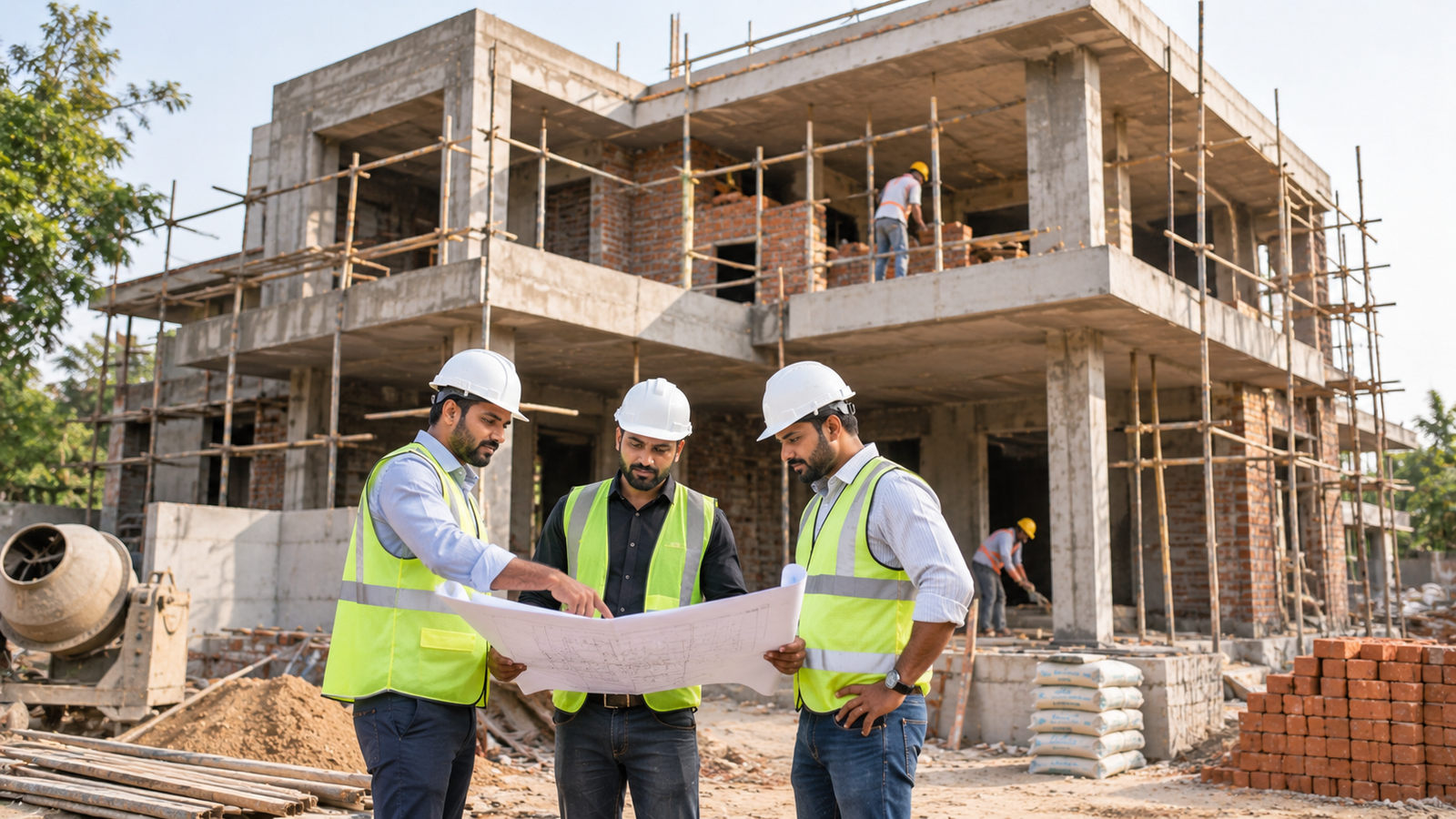
Turnkey Construction vs Traditional Construction – Which Is Better?
INTRODUCTION
Building a home is one of the most important investments in life. From architectural planning and structural work to material selection and interior finishing, every stage requires careful attention and proper execution.
However, before starting construction, homeowners often face one important question: Should they choose turnkey construction or traditional construction?
Both approaches have their own advantages and challenges. The right choice depends on your budget, availability, project requirements and how much involvement you want in the construction process.
In this blog, we will explore the differences between turnkey construction and traditional construction to help you make an informed decision.
What Is Turnkey Construction?
Turnkey construction is a complete construction solution where a single company or contractor takes responsibility for managing the project from start to finish, according to an agreed scope of work.
This typically includes architectural planning, structural engineering, material procurement, labour management, civil construction, electrical and plumbing work, and finishing.
The homeowner works with one primary construction partner instead of independently coordinating multiple contractors and vendors.
Key Features of Turnkey Construction:
- Single point of contact for the entire project.
- Integrated planning and execution.
- Coordinated material and labour management.
- Defined project scope and agreed specifications.
- Better coordination between different construction stages.
- Reduced day-to-day involvement for homeowners.
The exact services depend on the agreement signed between the homeowner and construction company.
What Is Traditional Construction?
Traditional construction is an approach where homeowners independently manage different aspects of the construction project.
Instead of hiring one company for the complete project, they may appoint separate contractors, architects, engineers, electricians, plumbers and interior designers.
The homeowner generally takes a more active role in coordinating the work, purchasing materials, managing payments and monitoring project progress.
Key Features of Traditional Construction:
- Separate contractors for different activities.
- Independent material purchasing.
- Direct involvement in project decisions.
- Greater flexibility in selecting vendors.
- Individual management of labour and construction stages.
- More responsibility for coordination and supervision.
This approach can work well for homeowners who have sufficient time, construction knowledge and access to reliable professionals.
Turnkey Construction vs Traditional Construction: Key Differences
ComparisonTurnkey ConstructionTraditional ConstructionProject ManagementManaged by one companyManaged by homeownerContractorsUsually one primary contractorMultiple independent contractorsMaterial ProcurementManaged as per agreementUsually arranged separatelyTime ManagementCoordinated project scheduleRequires independent coordinationBudget PlanningDefined scope and pricingCosts managed across vendorsHomeowner InvolvementGenerally lowerGenerally higherFlexibilityBased on agreed specificationsMore direct controlResponsibilityDefined in one main contractShared across multiple parties
Advantages of Turnkey Construction
1. One Point of Responsibility
One of the biggest benefits of turnkey construction is having a single primary company responsible for coordinating the agreed project scope.
You do not have to communicate separately with multiple contractors for every construction activity.
2. Better Project Coordination
Construction involves several interconnected activities. When different teams work under one coordinated plan, it becomes easier to manage work schedules, resources and execution.
3. Convenient for Busy Homeowners
People with demanding professional or personal schedules may find turnkey construction more convenient because they do not need to manage every small construction activity themselves.
4. Clearer Budget Management
A detailed turnkey agreement can establish the project scope, material specifications, payment schedule and pricing structure in advance.
This helps homeowners understand what is included and what may cost extra.
5. Integrated Construction Solutions
From civil construction to structural engineering and interior finishing, multiple services can be coordinated through one construction partner.
Advantages of Traditional Construction
1. Greater Direct Control
Homeowners can independently choose contractors, vendors, materials and professionals according to their preferences.
2. Flexibility in Material Selection
You can compare different suppliers and purchase materials according to your preferred brands, specifications and budget.
3. Independent Contractor Selection
You have the freedom to appoint specialists for different stages of construction based on your requirements.
4. Suitable for Hands-On Homeowners
If you have construction experience, sufficient time and access to trusted contractors, traditional construction can offer greater involvement in every stage.
Which Construction Method Is More Cost-Effective?
Cost is one of the biggest factors when deciding between turnkey and traditional construction.
However, there is no universal answer because the final cost depends on several factors, including:
- Plot size and built-up area.
- Architectural and structural requirements.
- Material quality and specifications.
- Labour charges.
- Location and site conditions.
- Interior finishing requirements.
- Project management and supervision costs.
In turnkey construction, the overall pricing is generally structured around an agreed project scope.
In traditional construction, individual expenses may appear lower initially, but homeowners must also account for coordination, supervision, material wastage, delays and unexpected changes.
The smartest approach is to compare detailed quotations with identical material specifications and scope of work rather than comparing only the final quoted price.
Common Mistakes to Avoid Before Choosing a Construction Method
Regardless of the construction approach, homeowners should avoid these common mistakes:
- Starting construction without proper architectural and structural planning.
- Selecting a contractor based only on the lowest quotation.
- Ignoring material brands and quality specifications.
- Not defining the project scope in writing.
- Overlooking electrical, plumbing and waterproofing requirements.
- Making frequent design changes during construction.
- Not checking construction progress and quality.
Proper planning and professional supervision can help avoid unnecessary expenses and construction-related complications.
Turnkey or Traditional Construction: Which One Should You Choose?
The right construction method depends on your priorities.
Choose Turnkey Construction If:
- You want a coordinated construction solution.
- You have limited time to manage daily activities.
- You prefer one primary point of contact.
- You want an agreed project scope and structured budget.
- You want construction and finishing activities managed together.
Choose Traditional Construction If:
- You want direct involvement in every stage.
- You have sufficient time for project management.
- You have access to reliable individual contractors.
- You prefer purchasing materials independently.
- You are comfortable coordinating multiple teams.
Neither method is automatically better for every homeowner. The best decision is the one that matches your expectations, resources and project requirements.
Build Your Dream Home with the Right Construction Partner
A successful construction project is not just about completing a building. It is about creating a space that reflects your lifestyle, meets your requirements and offers long-term value.
At MDG Green Developers, we believe every construction project deserves proper planning, professional expertise and attention to detail.
Our services include civil construction, structural engineering, architectural planning, interior designing and renovation solutions.
Whether you are planning a new residential project or looking to transform your existing property, choosing the right construction approach is the first step towards achieving your vision.
Planning to Build Your Dream Home?
Connect with MDG Green Developers for professional guidance and book your consultation today.
MDG Green Developers – Building Spaces. Creating Possibilities.
Frequently Asked Questions (FAQs)
1. What is the main difference between turnkey and traditional construction?
Turnkey construction involves one primary company managing the agreed construction scope, whereas traditional construction involves homeowners coordinating multiple contractors and service providers.
2. Is turnkey construction more expensive than traditional construction?
Not necessarily. The cost depends on project specifications, material quality, labour, management and finishing requirements. Comparing detailed quotations is the best way to evaluate costs.
3. Does turnkey construction include interior designing?
It can include interior designing, but this depends on the agreed contract. Always verify the scope before signing.
4. Can I choose my own materials in turnkey construction?
Yes, material brands and specifications can be discussed and finalised with the construction company before the project begins, depending on the agreement.
5. Which construction method is better for first-time homeowners?
Turnkey construction can be more convenient for first-time homeowners who prefer professional coordination and limited day-to-day involvement. However, the final choice should depend on their budget and requirements.
💬 All Comments
No comments yet. Be the first to comment.
Leave a Comment
Share your thoughts about this blog